
Carbon Monoxide In the Workplace
Carbon monoxide (CO) is a colourless and odourless gas produced from the incomplete combustion of carbon-based fuels. It is most commonly found in older homes and industrial environments but is often overlooked as a possibility in the workplace.
Since 1995, 733 deaths from unintentional CO poisoning have been recorded in the UK across all settings, with workplace-related deaths accounting for 37 cases during this period (1995–2023).
The Science Behind Carbon Monoxide Exposure
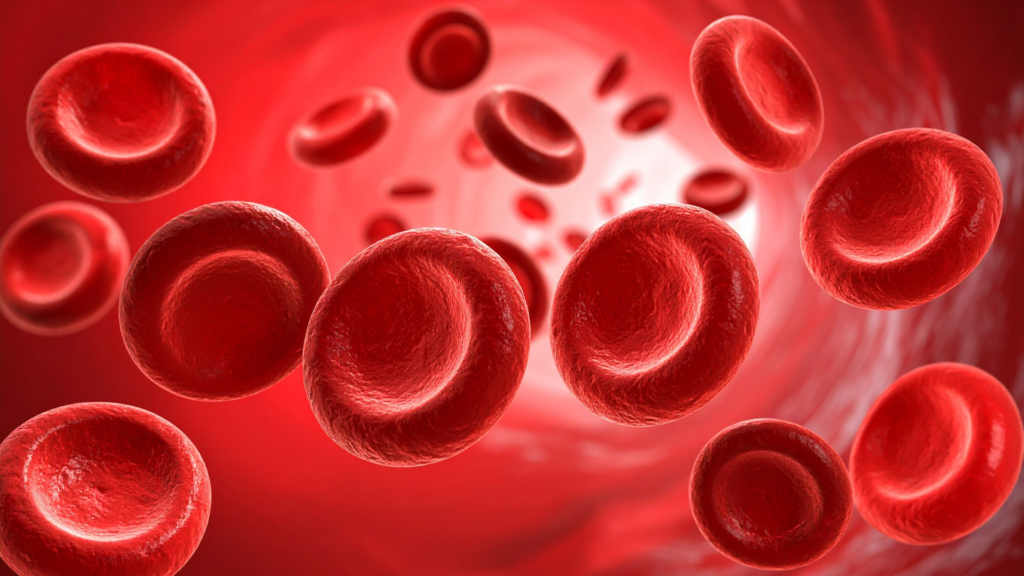
CO binds to haemoglobin 200x more than oxygen, forming carboxyhaemoglobin (COHb). This is the protein found in red blood cells that carries oxygen from the lungs to the body’s tissues and returns the waste product, carbon dioxide.
When the protein is exposed to CO, the blood’s oxygen-carrying capacity is significantly reduced, leading to symptoms such as headaches, dizziness, and fatigue.
At higher concentrations, exposure can result in neurological damage or death (Manaker and Perry, 2024). Even low-level, chronic exposure has been linked to cardiovascular stress and cognitive impairment (Rose et al., 2017).
CO Reduction and Prevention
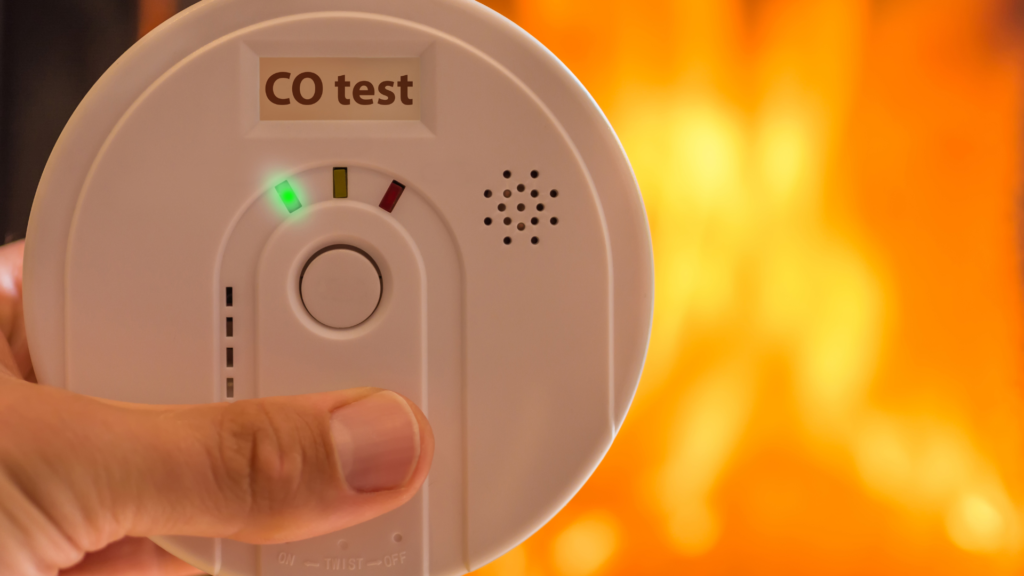
The good news is that CO-related risks in the workplace are preventable. Simple measures such as regular heating maintenance and servicing, the installation of CO detectors and CO testing. With the advancement of technology, sensors integrated into detectors can monitor the room in real-time, enabling facilities
managers to take action quickly and prevent unexpected CO levels from rising (Salthammer, 2024).
Contact Us
Service and maintenance checks only take a few minutes to complete but can avoid major complications and potentially save lives. To check if your heating equipment is running safely or to arrange a servicing, call us today!